
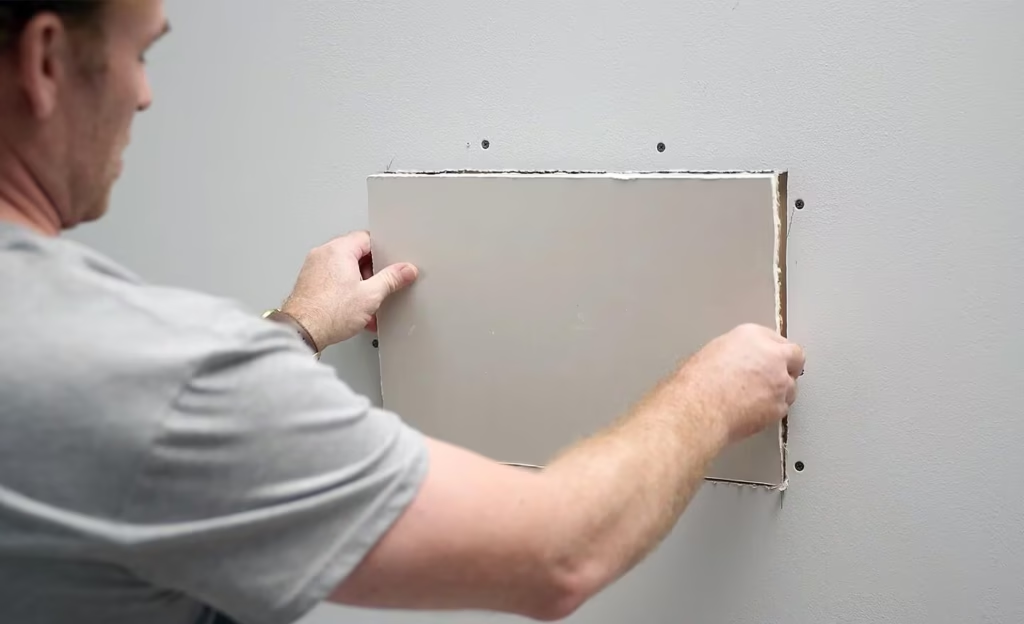
A Complete Guide to Repairing Holes in Drywall: Expert Tips for DIY Success
If you’ve ever found yourself staring at a hole in your drywall, you know that blend of frustration and confusion. Whether it’s a tiny ding from a wayward nail or a bigger mess made by a rambunctious doorknob, figuring out how to fix it can feel daunting. But don’t worry—knowing how to repair drywall can save you both time and money. Plus, a solid repair not only makes your home look better but can also bump up its value. Let’s dive into some effective methods for fixing small to medium-sized holes, complete with practical tips and easy-to-follow steps to help you achieve a professional-looking finish.
Getting to Know Your Hole Sizes: Picking the Right Fix
Fixing Small Holes (Under ½ Inch)
Got a few pesky nail pops or tiny pinholes? Lucky for you, this is a repair where you can skip the big equipment and stick with something simple—spackling compound.
Why Spackling Compound?
This stuff is perfect for tackling those small flaws. It’s easy to apply, dries quickly, and works like a charm. Here’s a quick guide on how to handle these small holes:
1. Clean the Area: Brush away any dust or debris around the hole.
2. Apply Spackling Compound: Grab a putty knife, scoop up a bit of the compound, and fill the hole. Smooth it out so it’s level with the wall.
3. Sand It Smooth: After it’s dry, lightly sand the patch with fine-grit sandpaper until it feels even.
4. Prime and Paint: Finally, slap on a coat of primer and then paint to blend it all in.
Tackling Medium-Sized Holes (½ Inch to 3 Inches)
Now, if you’re facing bigger holes, it’s time for a drywall patch kit—your new best friend. Most kits come with self-adhesive mesh patches that make this process much simpler. Here’s what you need to do:
1. Prepare the Area: Clear away any loose dust and debris, just like with the small holes.
2. Place the Patch: Stick the adhesive patch right over the hole.
3. Apply Compound Over the Patch: Spread a thin layer of spackling compound on top, smoothing it out. Make sure to feather the edges for a seamless look.
4. Drying and Sanding: Wait for it to dry, then sand it down until it’s flush with the wall.
5. Prime and Paint: Just like before, a coat of primer will help ensure everything matches nicely.
—
Why Surface Preparation Matters
A successful drywall repair starts with how well you prepare the surface around the hole. Taking a little time here pays off:
Better Adhesion
Cleaning and sanding the area means your spackling compound or patch will stick better. Skipping this step could lead to chipping or flaking later, making your hard work feel wasted.
Smoother Finish
How you prep the surface really shows in the final look of your repair. Without proper prep, you might end up with bumps or uneven spots that become noticeable once you paint.
—
Don’t Skip the Priming
No matter if you used a spackling compound with primer in it or not, always apply primer over your patched areas. Here’s why:
Even Paint Application
Applying primer first helps create a uniform surface for your paint. This way, you’ll get more consistent color and reduce the chances of your repair showing through.
Hiding Imperfections
Good primer does more than just prep the surface—it can cover up any minor dips or flaws, helping your final coat look polished and clean.
—
Tools You’ll Need for Drywall Repair
Ready to tackle this project? Grab these essential tools to make your repair process smoother:
– 3M™ High Strength Small Hole Repair Tool: This handy tool is perfect for small holes and makes repairs quick and easy.
– Putty Knife and Trowel: These are essential for spreading spackling compound and smoothing out your repairs.
– Sandpaper or sanding block: Fine grit sandpaper helps you achieve that flawless finish.
– Utility Knife: A must-have for cutting patches or trimming any rough edges.
—
A Real-Life Story to Inspire You
Let’s put these methods into context with a real-life scenario. Picture this: you’ve just moved into a new house, and as you start unpacking, you spot a whole bunch of tiny holes left by picture hangers and one particularly unfortunate door slam.
With these handy techniques in mind, you gather your tools, prep the space, and before you know it, you’ve fixed seventeen holes in just a few hours! Not only does the nursery closet look brand new, but you also feel that fantastic buzz of accomplishment from doing it yourself.
—
Let’s Break This Down: Step-by-Step Guidance
Step 1: Assess the Damage
Before diving into repairs, take a moment to figure out how big the damage is. This helps you decide what tools and materials you’ll need.
Step 2: Gather Your Materials
Here’s what you need for small holes:
– Spackling compound
– Putty knife
– Sandpaper
– Primer and Paint
For medium holes, you’ll want to grab:
– Drywall patch kit
– Utility knife
Step 3: Get to Work
Just follow the detailed instructions above based on how big the hole is.
Step 4: Finishing Touches
Don’t forget that primer! After you’ve made those repairs, apply primer before painting to get a smooth, polished look.
—
Wrapping Up
Repairing drywall doesn’t have to feel daunting. With the right methods, tools, and mindset, you can confidently tackle small to medium holes. Remember, focusing on surface preparation and priming is key to a great finish.
Have you tackled a drywall repair project recently? I’d love to hear your stories, tips, or any questions you might have in the comments below! And don’t forget to check out our other DIY guides for more home improvement tips. So, roll up your sleeves and get to fixing—your walls will thank you!
Hashtags: #holes #repair #compound #drywall #small #primer #hole #spackling #patch #paint #step #look #just #surface #apply