
How to Unclog Your Sinks: Effective Methods and Tools for Every Homeowner
Let’s be honest: dealing with clogged sinks can be a real pain. Whether it’s the kitchen sink refusing to drain after a marathon dishwashing session or the bathroom sink housing a hairball the size of a cat, knowing how to handle these hiccups can save you not just time and money, but also a lot of frustration. So, grab your tools—let’s dive into the world of unclogging sinks and arm yourself with some practical knowledge!
Understanding Common Causes of Clogs
1. Kitchen Sink Clogs: The Grease and Food Trap
Most of the time, kitchen sink clogs come from food scraps and grease. When you’re washing dishes, even tiny bits of food can get stuck in the drain, while grease can solidify in your pipes and create a stubborn block.
Tip for Prevention: Always scrape your plates before washing them, and if you’re frequently dealing with oily leftovers, consider installing a grease trap.
2. Bathroom Sink Clogs: Hair and Soap Scum Buildup
When it comes to bathroom sinks, hair and soap scum are the usual suspects. Hair tends to accumulate over time, tangling with soap residue and forming a blockage that can be a bit more than a quick plunge can fix.
Tip for Prevention: Think about using a mesh strainer over the drain to catch hair before it travels down the pipes, and remember to clean it out regularly.
—
Effective Tools for Unclogging
1. The Plunger: Your First Line of Defense
When your sink gets clogged, the trusty plunger is usually your best friend. It’s straightforward to use and can work wonders—especially for minor clogs.
– How to Use It: Make sure you have enough water in the sink to cover the plunger’s cup. Create a solid seal around the drain and push down firmly, then pull up quickly. Repeat this a few times to build suction, which should help release the clog.
2. Drain Snakes: The Flexible Solution
For clogs that don’t budge with a plunger, a flexible drain snake is a lifesaver. These tools are great for navigating bends in pipes and grabbing debris that’s just too far out of reach.
– How to Use Them: Insert the snake into the drain and twist it as you push it down until you feel resistance. Keep twisting and then gently pull back to remove hair and gunk.
3. Chemical Drain Cleaners: Caution Is Key
Products like Pro-Strength Liquid Plumr™ can be effective for tough clogs. However, many plumbing professionals recommend using them sparingly as overuse can damage your pipes in the long run.
– Best Use Practices: Reserve chemical cleaners for those truly stubborn clogs. Make sure to follow the instructions closely, and never mix different kinds of chemicals, as that can lead to dangerous reactions.
Note: If the drain is completely blocked and stubborn, it might just be time to call a pro to avoid causing any damage.
—
Actionable Unclogging Strategies
Having tools is great, but knowing what to do with them is even better! Here are some tried-and-true DIY methods you can tackle before having to call in the experts.
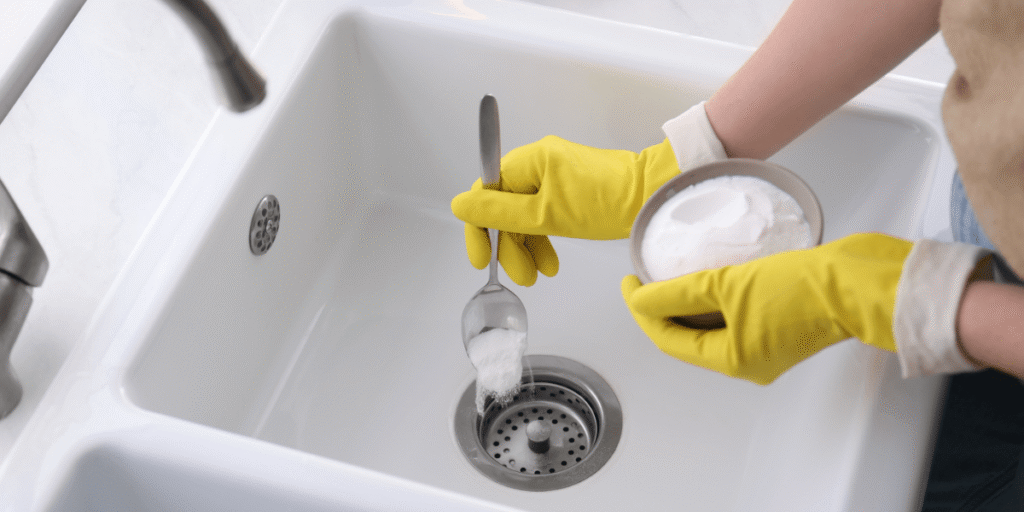
1. Vinegar and Baking Soda: A Natural Solution
If you’re looking for a DIY route, this classic duo can help break down minor clogs without harsh chemicals.
– How to Do It: Pour 1/2 cup of baking soda down the drain, followed by 1/2 cup of vinegar. Cover the drain to keep the fizzing reaction contained. After about 30 minutes, flush it out with hot water. It’s a simple way to refresh your pipes and clear some buildup!
2. Hot Water Flush
Sometimes, just pouring hot water down the drain can do the trick—especially for grease-related clogs.
– How to Do It: Boil some water (carefully, now!) and pour it down the drain in stages, giving it a few seconds between pours. This can help soften and wash away any grease that’s stuck to your pipes.
3. P-Trap Cleaning
The P-trap beneath your sink can collect debris over time, leading to clogs.
– How to Do It: Place a bucket under the trap to catch any spills. Unscrew the trap and give it a thorough cleaning (just be ready for any unpleasant smells!). When you’re done, reassemble it tightly to avoid leaks.
—
How to Apply These Techniques for Best Results
– Regular Maintenance: Keeping an eye on your drains and cleaning them regularly can help prevent clogs from forming.
– Educate Your Family: Make sure everyone in your household knows what can and can’t go down the sink.
– Create a Cleaning Schedule: Set reminders for regular P-trap checks and cleanings. A periodic vinegar and baking soda treatment can be a great idea too!
—
Conclusion
Clogged sinks don’t have to escalate into a household disaster. With some simple understanding of the causes and a few handy tools at your disposal, you can tackle clogs efficiently and keep your plumbing in check. The sense of achievement that comes from fixing these issues yourself is pretty rewarding too! And remember, there’s no shame in asking for help when needed.
Have you recently faced a stubborn clog? I’d love to hear your experiences and what worked for you in the comments!
—
Now you’re equipped with the knowledge to take on sink clogs head-on. Don’t wait for a clog to throw your day off track—use these tips to maintain your plumbing like a champ! And if you’re looking for more home maintenance advice, don’t forget to check out our related articles. Happy unclogging!
Hashtags: #clogs #drain #sink #down #trap #tools #grease #pipes #sinks #these #just #time #some #when #them